
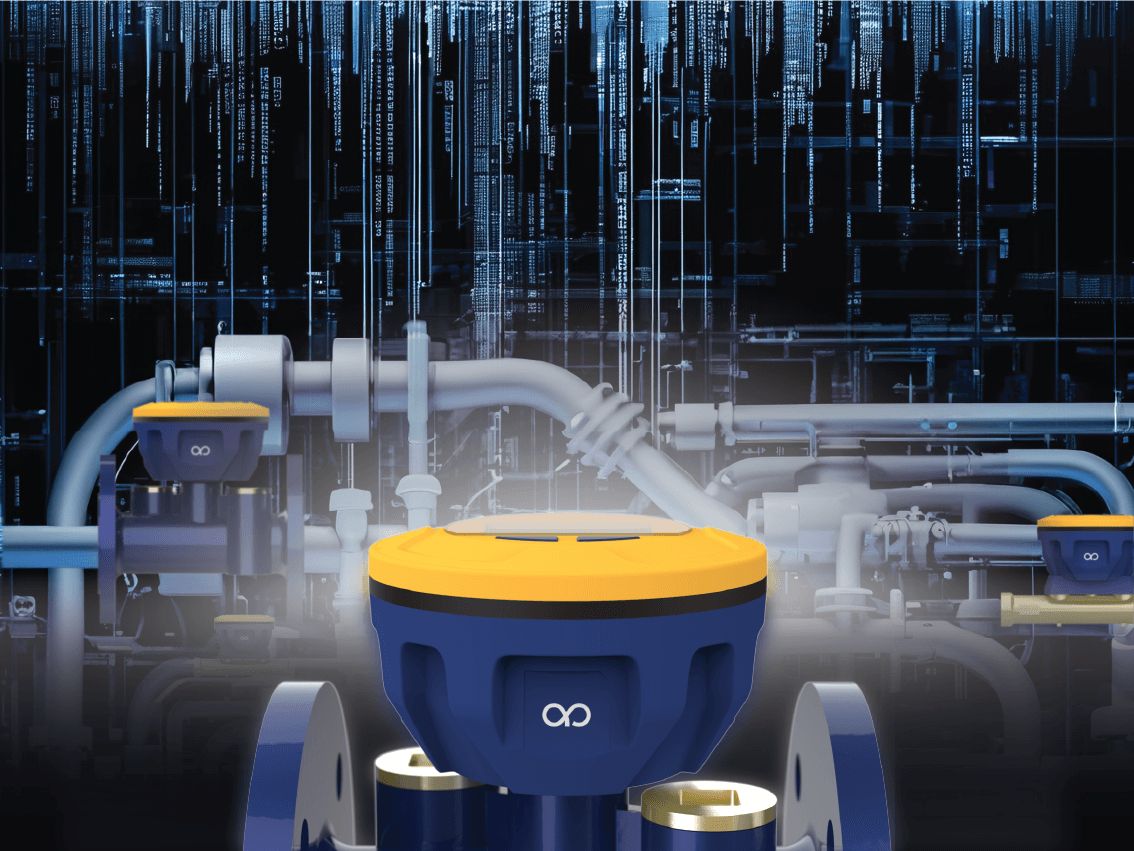
The world’s water crisis is no longer an impending problem; it’s a current reality affecting millions. Traditional methods of water management, which relied heavily on manual interventions and outdated infrastructure, are proving to be inefficient and unsustainable. Enter Digital Water Management, a technological revolution that is transforming how we monitor, manage, and conserve water resources. The urgent need for technical and data-driven interventions necessitates the adoption of the following tools:
Data Analytics and IoT

At the heart of digital water management is the integration of data analytics and the Internet of Things (IoT). Smart sensors and meters are deployed across water networks to collect real-time data on water quality, usage patterns, and flow rates. This data is transmitted to central systems where advanced analytics tools process it. The result? Utilities can detect leaks, predict demand, and optimize the distribution of water with unprecedented accuracy. For instance, Singapore’s national water agency, PUB, uses smart water sensors to detect leaks early, saving millions of liters of water annually.
Predictive Maintenance

A cornerstone of digital water management is predictive maintenance. Instead of waiting for critical failures in pipes, pumps, and other infrastructure, predictive algorithms analyze data trends to foresee potential issues. This proactive approach reduces downtime, cuts repair costs, and ensures consistent water supply. For example, the city of Barcelona, Spain uses predictive maintenance to keep its intricate water system running smoothly, minimizing disruptions.
Geographic Information Systems (GIS)
Geographic Information Systems (GIS) play a pivotal role in visualizing and managing water resources. By mapping out the entire water distribution network, utilities can pinpoint problem areas, plan new installations, and optimize maintenance routes. GIS technology also helps in identifying regions prone to water stress and planning accordingly. The Los Angeles Department of Water and Power leverages GIS to enhance its operations and improve service delivery.
Cloud Computing in Water Management
The adoption of cloud computing in water management allows for real time data storage and processing. Cloud platforms provide the computational power needed to analyze large data sets quickly, enabling real-time decision-making. This capability is crucial for managing water resources efficiently, especially in urban areas with complex water networks. Utilities can monitor and control their systems remotely, ensuring optimal performance and timely interventions.
Smart Water Management Systems
Integration is key in digital water management. Smart water management systems combine various technologies like SCADA (Supervisory Control and Data Acquisition), PNMS (Pipe Network Management System), and smart meters. These integrated systems provide a holistic view of the water network, enabling utilities to manage resources more effectively. By reducing water wastage and ensuring efficient service delivery, smart water management systems contribute significantly to sustainability goals.
Tech for Water Conservation and Reuse
Digital water management promotes water conservation and reuse through advanced monitoring and control. Smart meters and sensors help identify areas of excessive use, encouraging conservation. Additionally, technologies for treating and recycling wastewater are becoming more efficient, enabling the reuse of water in agriculture, industry, and even domestic applications. Countries like Israel have excelled in water reuse, treating and reusing nearly 90% of their wastewater.
Blockchain Technology
Emerging technologies like blockchain are also finding applications in water management. Blockchain provides a transparent and secure way to record and verify water transactions, from allocation to usage. This technology can enhance accountability and ensure fair distribution of water resources. Projects in developing countries are exploring blockchain for managing water rights and reducing disputes.
Customer Engagement
Finally, water management emphasizes customer engagement. By involving consumers in the process, utilities can promote better water usage habits. Mobile apps and online platforms allow customers to monitor their water consumption, receive alerts for leaks, and participate in conservation initiatives. Educating and empowering consumers is a critical step toward sustainable water management.
Digital water management represents a paradigm shift in how we handle one of our most precious resources. By leveraging advanced technologies, we can ensure more efficient, resilient, and sustainable water systems. As the world grapples with the challenges of climate change and population growth, the importance of digital water management will only continue to grow. So to transform water into a renewable entity and for the mindful utilization of water and to save water for the generations to come, and for any water management by using the digital analytics, please contact Kritsnam Technologies.
Leave a Reply